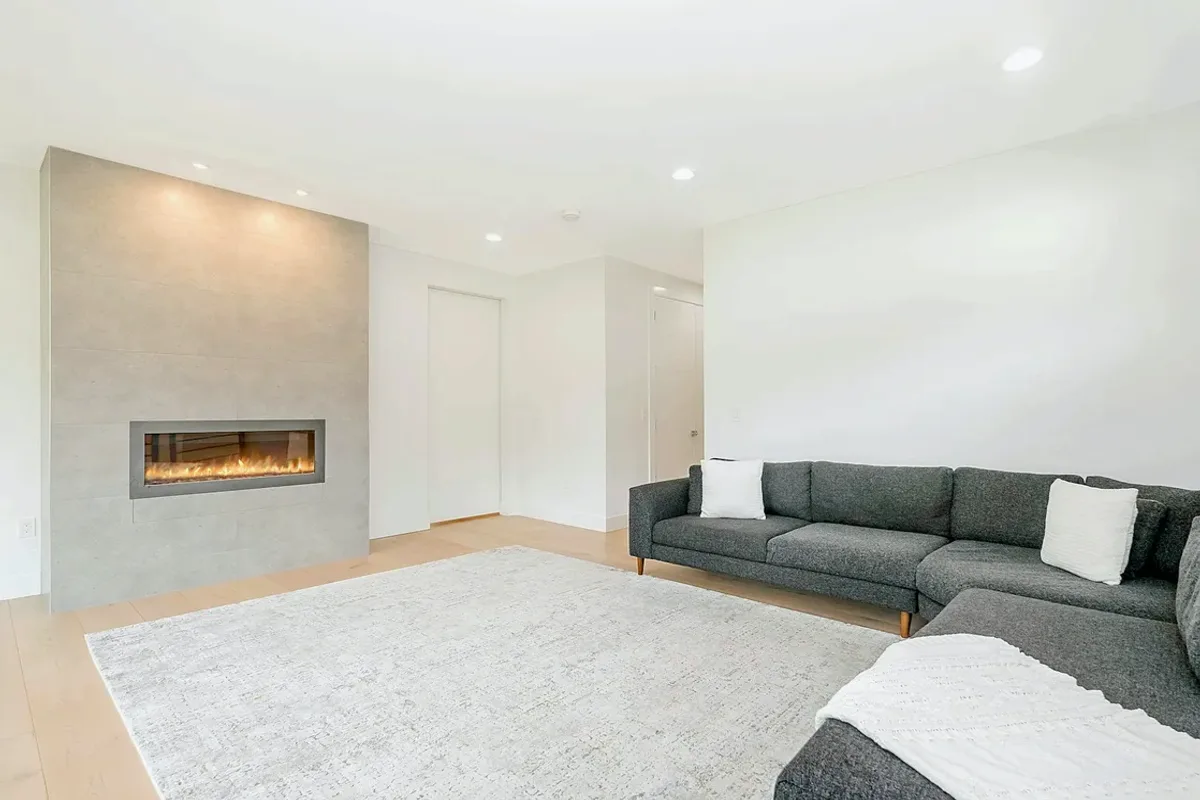
Request fireplace installation for a property in Whitby. Include the equipment, the problem or planned work, and your location so the request can be reviewed.
How do fuel choice, clearances, and existing vent conditions change a fireplace installation plan?
Fireplace installation planning begins with the appliance type and the space where it is proposed. Gas, electric, and wood-burning models have different connection, clearance, and venting requirements, so one installation layout does not fit every choice. The firebox or appliance location, nearby finishes, and any existing vent or chimney affect the scope. If replacing an existing fireplace, inspection of the appliance and vent condition can help distinguish installation work from a repair that may address the current fault.
Before selecting an appliance, identify the proposed location, fuel type, nearby materials, and whether a vent or chimney will be used. For a replacement, document the existing unit and inspect the firebox or vent condition. These details matter because connection needs, clearances, and vent requirements vary by model and can change what installation work is appropriate.
Gas, electric, and wood-burning appliance distinctions
Placement, clearances, connections, and venting
Existing fireplace condition and repair-versus-replacement assessment
Assessment and Scope
Questions for the Proposed Work
01
Choose the appliance before finalizing placement
An electric fireplace, gas appliance, and wood-burning unit have distinct installation requirements. The selected model's instructions determine applicable clearances and connection details, while the proposed location affects access and how the appliance fits the room. A gas model requires suitable fuel connection and venting where specified; a wood-burning model requires an appropriate venting arrangement. Establishing these requirements early helps avoid planning a layout around assumptions that do not match the appliance.
02
Assess venting and surrounding construction
Where an existing opening, chimney, or vent is being considered, its condition and suitability for the selected appliance need assessment. Damage to a fireplace firebox or vent can affect whether an existing arrangement is usable; it should not be treated as an unrelated furnace issue. Nearby finishes and the appliance's required clearances also influence placement. These observations define whether the project involves a straightforward installation or additional changes to the proposed location.
03
Distinguish a new installation from a repair
A new fireplace installation is different from diagnosing a fault in an existing gas unit. If a current appliance has a weak burner, an unreliable pilot, or a noisy fan, those symptoms call for an assessment of the appliance and its components before deciding to replace it. Installation planning should not assume that a new unit is necessary. Comparing the condition of the existing appliance with the requirements of a proposed replacement makes the scope clearer.
Compare the next step
Ask how often the fireplace is expected to operate and whether it displaces central heat or adds room comfort. Compare the tested appliance efficiency, intended output, and fuel use with that role. Treat purchase price and operating cost as separate parts of the decision without assuming a fireplace heats the whole home efficiently.
Use a qualified contractor for the chosen appliance and any fuel, venting, or electrical work. Do not alter the appliance or defeat its controls. Confirm its manufacturer operating requirements before relying on it for whole-home or outage heating.