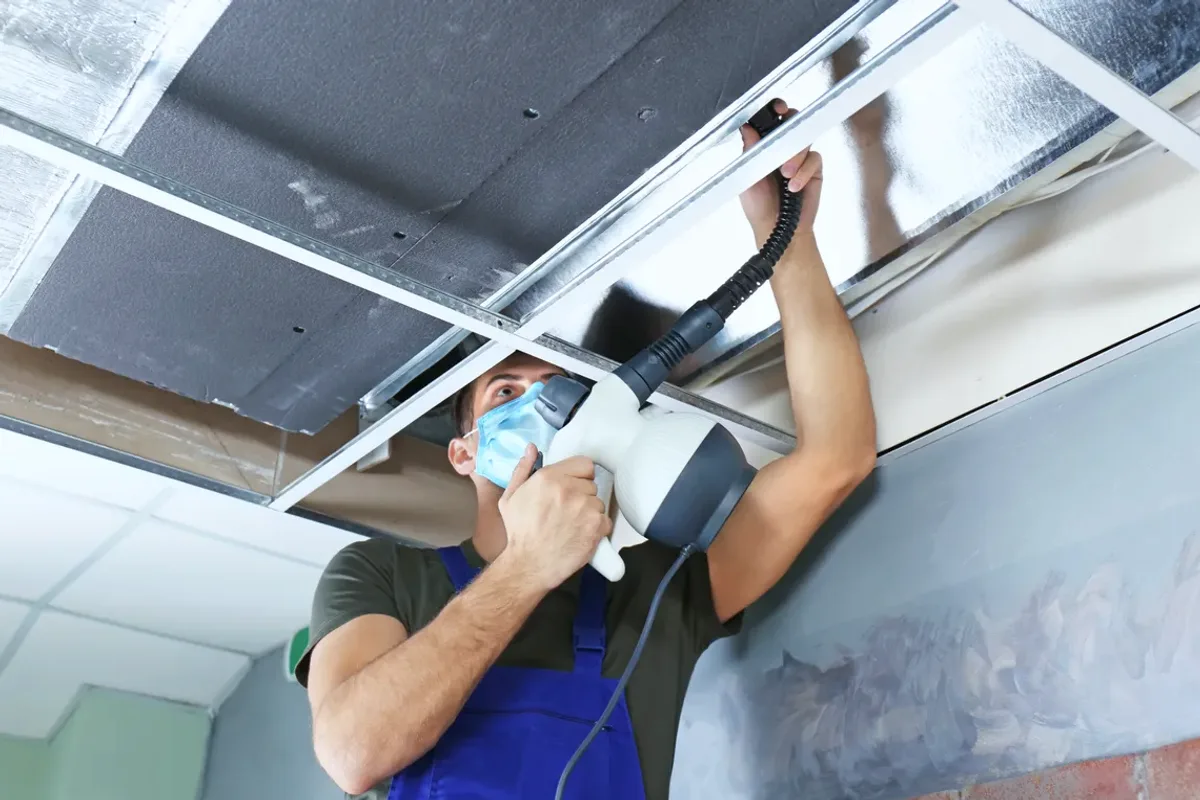
What inspection findings show whether duct cleaning is appropriate or whether an airflow problem needs another remedy?
Duct cleaning is a targeted service for ductwork where inspection indicates accumulated debris that should be removed. Dust after renovation, visible material inside a duct, or an identified airflow concern can prompt an assessment, but a symptom alone does not establish that cleaning is the cause or solution. The scope depends on the duct system, the debris present, and which components are accessible. Inspection can also identify damage or a restriction that cleaning alone would not correct.
Describe where dust or debris is visible, whether recent work may have introduced material, and which vents have weak airflow. Inspection should establish whether debris is present in the ductwork and whether related components, such as a blower compartment or HRV connection, are part of the scope. This matters because a blockage, damaged duct, or system fault may need a different remedy than cleaning.
Inspection for accumulated duct debris
Accessible ducts and related air-handling components
Airflow concerns, duct condition, and cleaning scope
Assessment and Scope
Questions for the Proposed Work
01
Base cleaning on inspection findings
Visible accumulation or known renovation debris can justify examining the affected duct sections, but ordinary dust on room surfaces does not prove that ducts need cleaning. Inspection helps locate material and determine whether it is accessible within the proposed scope. Cleaning should address identified debris rather than promise changes to air quality, health, or system efficiency. Findings also help explain when a symptom is more likely related to another part of the HVAC system.
02
Include related components only when relevant
Depending on the system and inspection, duct-cleaning scope may include accessible vents, duct runs, or related air-handling components such as a blower compartment or HRV connection. Their inclusion should be based on observed condition and the equipment layout, not assumed for every property. If a duct section is damaged, poorly routed, or obstructed, cleaning alone may not restore the intended airflow; that condition should be distinguished from removable debris.
03
Use airflow observations to identify other work
Weak airflow in one area may relate to a duct restriction, a closed or damaged section, or an equipment-side problem. Comparing affected vents and inspecting the relevant duct path can help determine whether cleaning is appropriate. If airflow remains poor because a section needs repair or rerouting, that is a separate scope from debris removal. Cleaning frequency should not be set by a fixed calendar; manufacturer guidance and inspection findings should inform maintenance.
Compare the next step
Ask what evidence connects the energy-use complaint to contamination rather than filters, coils, distribution, or controls. Compare the purpose of any cleaning with the broader equipment assessment. Request a scope justified by actual findings and avoid treating the visible condition of a few registers as proof of a promised energy saving.
Routine cleaning is not automatically necessary and does not guarantee health or energy benefits. Resolve moisture sources and assess damaged materials rather than treating cleaning as the only remedy.